
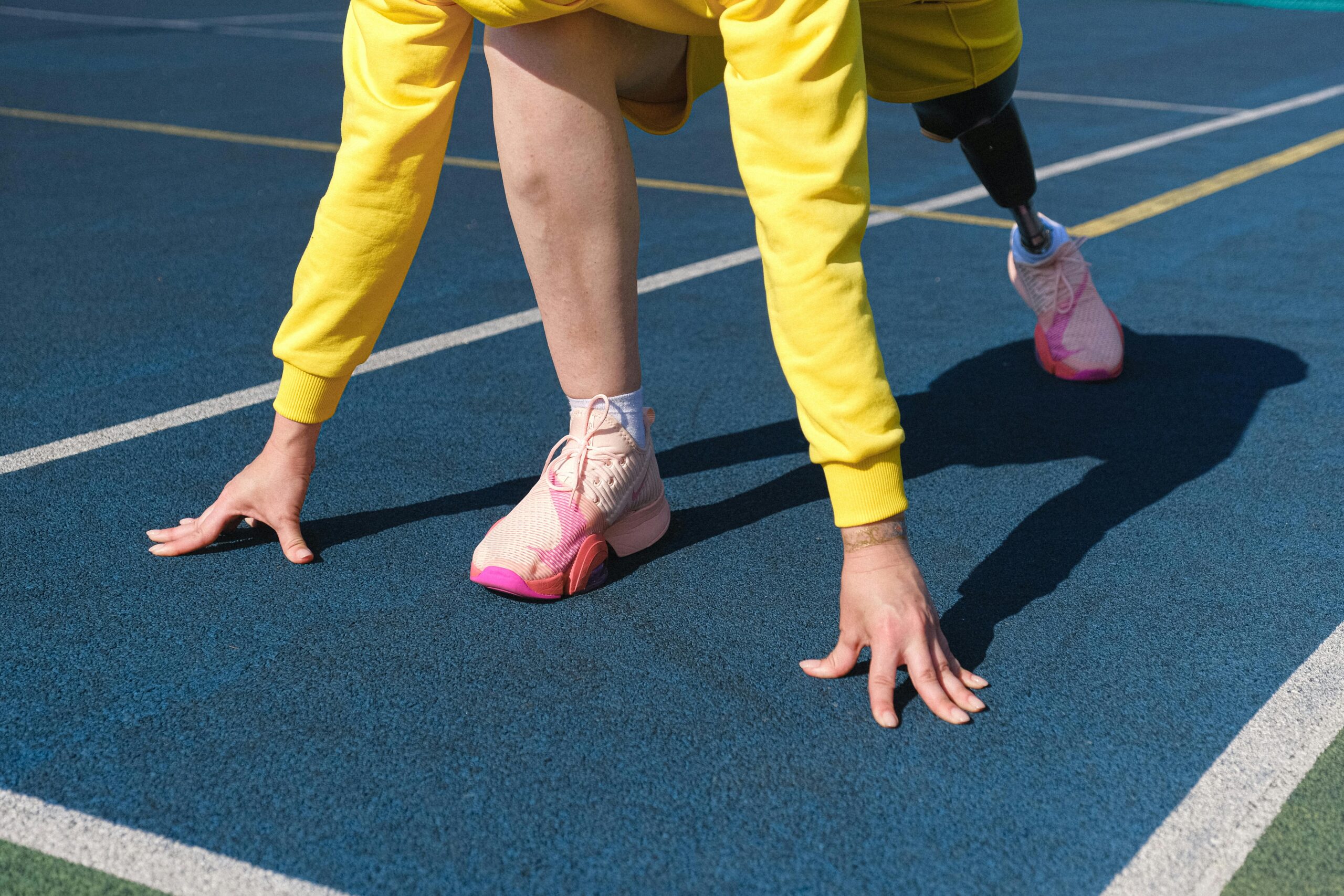
Introduction to Adaptive Sports
Adaptive sports are specially designed or modified activities that enable athletes with disabilities to participate in sports. These sports can be transformative for individuals, providing them with opportunities that might otherwise be inaccessible. By adjusting equipment or rules, adaptive sports open the door to a world of physical activity, competition, and personal achievement for athletes with disabilities. Whether it’s wheelchair basketball, adaptive skiing, or para-swimming, these sports allow participants to experience the joy and camaraderie that come with being part of a team.
Adaptive sports also address the unique needs of each athlete, ensuring they can perform at their best. Coaches and trainers are often specially trained to work with athletes with disabilities, offering personalized guidance and support. The inclusive nature of these sports helps break down social barriers, fostering a sense of equality and mutual respect among participants. This inclusive environment is crucial for building confidence and self-worth in athletes with disabilities.
Physical Benefits
Participating in adaptive sports offers numerous physical benefits for athletes with disabilities. These activities are designed to enhance physical fitness and strength, which are crucial for overall health. By engaging in adaptive sports, athletes can improve their coordination and flexibility, positively impacting both sports performance and everyday movements. Additionally, regular participation in these sports can lead to increased endurance, contributing to a healthier lifestyle. The physical exercise involved in adaptive sports also helps in maintaining a healthy weight, reducing the risk of chronic illnesses, and improving cardiovascular health.
Mental and Emotional Advantages
Participating in adaptive sports has significant mental and emotional benefits. Many athletes experience increased self-esteem and confidence through reaching personal milestones and competing. These sports also help reduce stress and anxiety by encouraging physical activity, which releases endorphins, natural mood lifters. Additionally, being part of a team or a supportive community offers crucial emotional support. The sense of belonging and camaraderie formed within these groups can have a lasting positive impact on mental well-being. Adaptive sports provide a platform for athletes with disabilities to connect, share experiences, and build meaningful relationships, enriching their emotional lives.
Social Connections and Community
Adaptive sports offer athletes with disabilities numerous opportunities for socialization and community-building. They foster teamwork and collaboration, which are crucial skills both on and off the field. More than 600,000 Unified partners who do not have intellectual disabilities play on teams alongside athletes with intellectual disabilities in the Special Olympics, demonstrating the inclusive nature of these sports. Furthermore, with over 18,000 Unified Schools established globally and almost 100,000 youth leaders trained, the network for support and friendships continues to grow, creating lasting bonds and a sense of belonging. Adaptive sports provide a platform for individuals to connect with others who share similar experiences, fostering meaningful relationships. This supportive environment encourages athletes to thrive, both in sports and in their personal lives. The camaraderie developed through participation in adaptive sports can have lasting positive effects on social skills and overall mental health.
Access and Inclusion
Adaptive sports have significantly increased accessibility and inclusivity in sports. There are currently 227 accredited Special Olympics Programs across 177 countries and territories, with more than 20,000 local clubs in operation. These programs provide athletes with disabilities a variety of sports and competitions. In 2022, about 16,000 out of 46,000 Special Olympics sports competitions were Unified, where athletes with and without intellectual disabilities competed together. This inclusive format promotes a culture that breaks down barriers and fosters mutual understanding. These adaptive sports initiatives ensure that athletes with disabilities can engage in competitive sports, opening avenues that may have been previously closed to them. This collaborative environment not only enhances the sports experience but also strengthens community bonds, creating an inclusive culture where everyone can participate and thrive.
Success Stories
Adaptive sports have the power to change lives, as evidenced by numerous success stories from athletes with disabilities. These athletes have not only excelled in their chosen sports but have also become role models and advocates for inclusion. Take, for example, the journey of a para-swimmer who, despite significant physical challenges, has gone on to set national records and inspire countless others. Another inspiring story is that of a wheelchair basketball player who, after a life-altering accident, discovered a new passion and has since competed at the Paralympic level.
These achievements go beyond the sports arena. For many, participating in adaptive sports has led to increased independence and the ability to navigate everyday life with greater confidence. Athletes have reported improved self-esteem and a stronger sense of identity, which ripple positively through all areas of their lives. Adaptive sports have not only provided a platform for competition but have also given athletes the tools to tackle challenges head-on and emerge victorious. These personal triumphs highlight the transformative impact of adaptive sports, offering a compelling narrative of resilience, determination, and the boundless potential of the human spirit.
Future of Adaptive Sports
The future of adaptive sports is promising, driven by advances in technology and innovative approaches. Enhanced equipment and training methods are continuously being developed, making sports more accessible and enjoyable for athletes with disabilities. With these advancements, athletes can expect improved performance and greater participation in various activities. Additionally, the growing recognition of adaptive sports within mainstream sports communities is fostering more inclusive opportunities. Increased awareness is likely to result in more funding, resources, and platforms for athletes to showcase their talents. As support for adaptive sports continues to expand, it paves the way for even greater achievements and wider acceptance, ensuring that athletes with disabilities can thrive and excel in their chosen fields.