
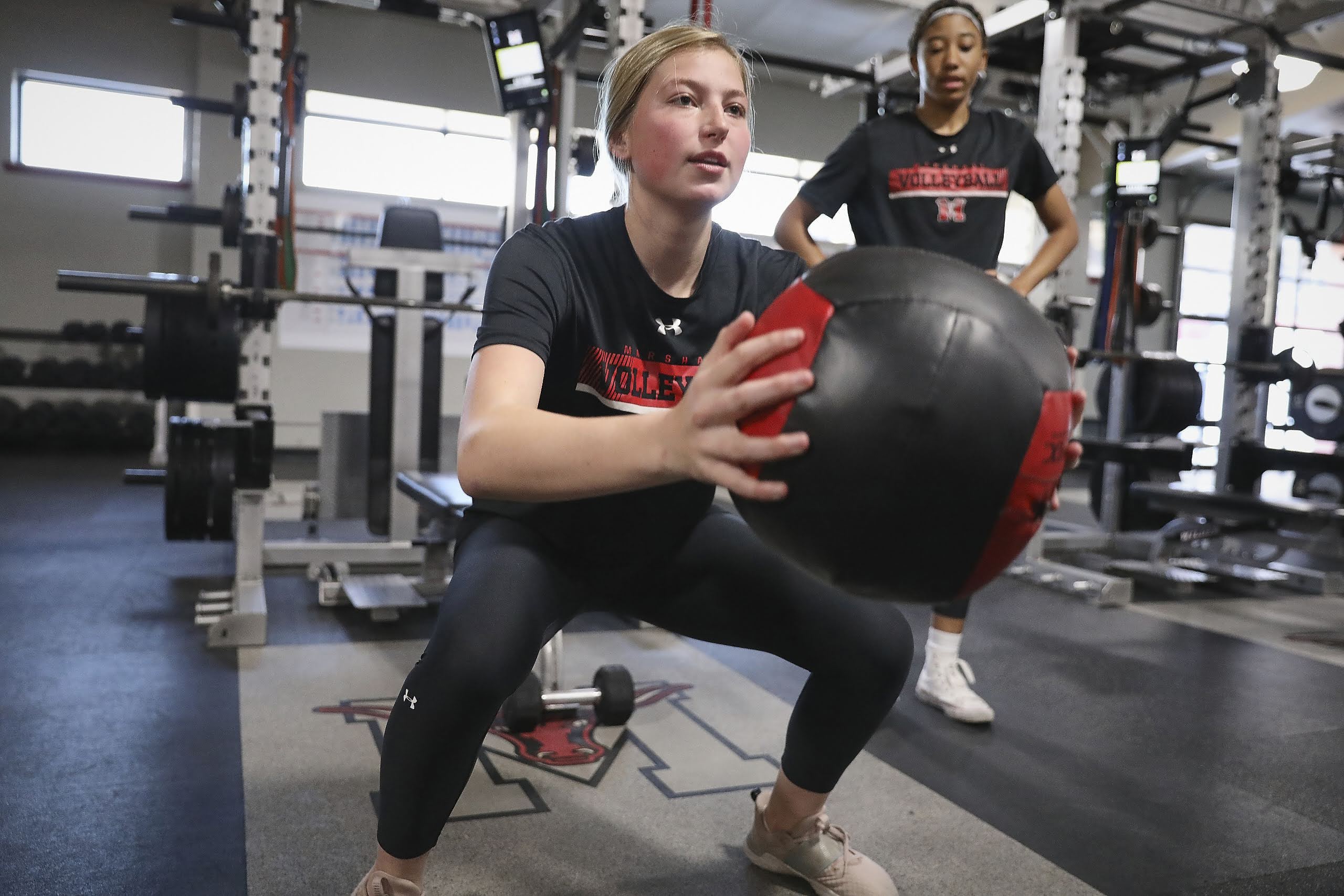
Introduction to Off-Season Training
Off-season training provides athletes with a unique opportunity to focus on skill development, strength building, and recovery without the pressures of in-season competition. By prioritizing this phase, athletes can address specific areas for improvement, refine their techniques, and enhance their physical conditioning. The off-season also allows for experimenting with new training methods and tools, fostering growth and adaptability. Utilizing available resources effectively ensures that athletes are prepared to tackle the challenges of the upcoming season with improved confidence and performance.
Assessing Facility and Equipment Resources
Evaluating facility and equipment resources begins with a thorough inventory to identify strengths and areas needing improvement. This process helps uncover outdated or insufficient equipment and highlights opportunities for upgrades or replacements. Input from staff and athletes can provide valuable insights into what resources are most essential for training success. Beyond identifying gaps, understanding how current resources are utilized can reveal inefficiencies or opportunities to maximize their use. Proper organization and storage of equipment also play a crucial role in streamlining training sessions and reducing downtime. Allocating resources effectively ensures that each area supports athletes’ needs while maintaining a safe and productive environment. Involving staff in these assessments fosters shared responsibility and encourages proactive problem-solving, creating a better-equipped and more efficient training space.
Optimizing Training Schedules
Organizing training schedules efficiently helps athletes achieve their goals while preventing overtraining and injuries. Dr. Karin VanBaak explained that this method helps prevent overtraining syndrome and reduces the risk of chronic injuries, such as tendon or bone stress injuries. Incorporating periodization into plans allows for alternating periods of high-intensity training and rest, which aids in long-term progress. Scheduling flexibility ensures a balance between focused workouts and recovery time, allowing athletes to perform consistently without burnout. Coordinating access to facilities and equipment as part of the schedule helps avoid overcrowding and improves the flow of sessions. By addressing both physical exertion and rest systematically, athletes can maximize their off-season efforts while maintaining their health and readiness for the next competitive phase.
Innovative Training Techniques
Using cutting-edge training methods can greatly improve off-season performance. Technology and data analysis offer insights that help refine workout plans and monitor progress effectively. Dr. Karin VanBaak noted that techniques like short-term or active recovery, which involve low-intensity exercises after intense workouts, can boost blood circulation, aid in waste removal, and deliver essential nutrients to repair muscles, tendons, and ligaments. Incorporating diverse exercises and tools not only supports well-rounded development but also keeps athletes engaged in their routines.
Maintenance and Upkeep of Equipment
Keeping equipment in top condition involves consistent care and regular inspections to identify wear and tear. Addressing minor issues promptly can prevent larger, costlier problems and ensure equipment remains safe for use. Training tools that are well-maintained perform better and contribute to more effective sessions. Cleaning and sanitizing equipment after each use not only prolongs its lifespan but also supports a hygienic training environment. Establishing a maintenance schedule, including lubrication, calibration, or part replacements as necessary, helps reduce unexpected downtime. Training staff on proper use and care further minimizes damage and ensures long-term functionality.
Engaging Athletes and Staff
Encouraging collaboration between athletes and staff creates a dynamic and supportive training environment. Providing opportunities for athletes to voice their ideas and preferences ensures that their individual needs are considered in program development. Similarly, involving staff in planning and decision-making fosters a sense of ownership and shared responsibility for the success of the training process. Hosting regular check-ins or workshops can help both groups stay aligned and motivated, while also addressing any concerns that may arise. When everyone works together, the overall training experience becomes more productive and enjoyable. Offering professional development opportunities for staff, such as workshops or certifications, enhances their ability to contribute effectively. Additionally, recognizing the efforts and achievements of both athletes and staff builds morale and reinforces a culture of commitment and excellence. Creating clear communication channels ensures that feedback flows both ways, fostering trust and mutual respect. Prioritizing these interactions strengthens relationships, which can directly impact performance and team cohesion. Providing a space where athletes and staff feel empowered encourages innovation and continuous improvement.
Measuring Success and Adjusting Strategies
Tracking progress is essential for identifying strengths and addressing areas that need attention. Utilizing performance metrics and feedback ensures training strategies remain effective and adaptable. Jessica Yeaton, a physical therapist at UCHealth SportsMed Clinic, emphasized that recovery is crucial for optimizing performance and health, as it allows the body to heal from the stress of training and other life factors. Regular evaluations provide valuable insights into what approaches are working and where modifications may be required. Integrating athlete feedback into the review process encourages a tailored approach to individual and team goals. Tracking tools, such as apps or performance logs, offer a structured way to document progress and identify trends over time. Incorporating recovery protocols into evaluations ensures athletes maintain balance in their training routines and remain in peak condition. Recognizing measurable improvements fosters motivation and reinforces the value of consistent effort. By maintaining a flexible approach and remaining open to adjustments, teams can refine their methods and continue building toward optimal performance.
Conclusion and Future Outlook
Focusing on efficient resource management and thoughtful planning allows teams to make the most of their off-season training. Prioritizing recovery and balancing physical exertion with rest ensure athletes stay healthy and prepared for the demands of competition. Dr. Karin VanBaak highlighted the importance of passive recovery, recommending a full rest day every week for athletes to fully recuperate. As training strategies evolve, integrating new technologies and methods can further enhance outcomes. Building strong communication and collaboration among athletes and staff fosters a cohesive environment that drives continuous progress. Looking ahead, advancements in tools, techniques, and recovery methods offer the potential to revolutionize training approaches and elevate performance standards. Staying adaptable and open to innovation ensures that teams can respond effectively to changing demands and maintain a competitive edge. By maintaining a forward-thinking mindset, programs can achieve lasting success and set the foundation for future achievements.