
Introduction to Athlete Support
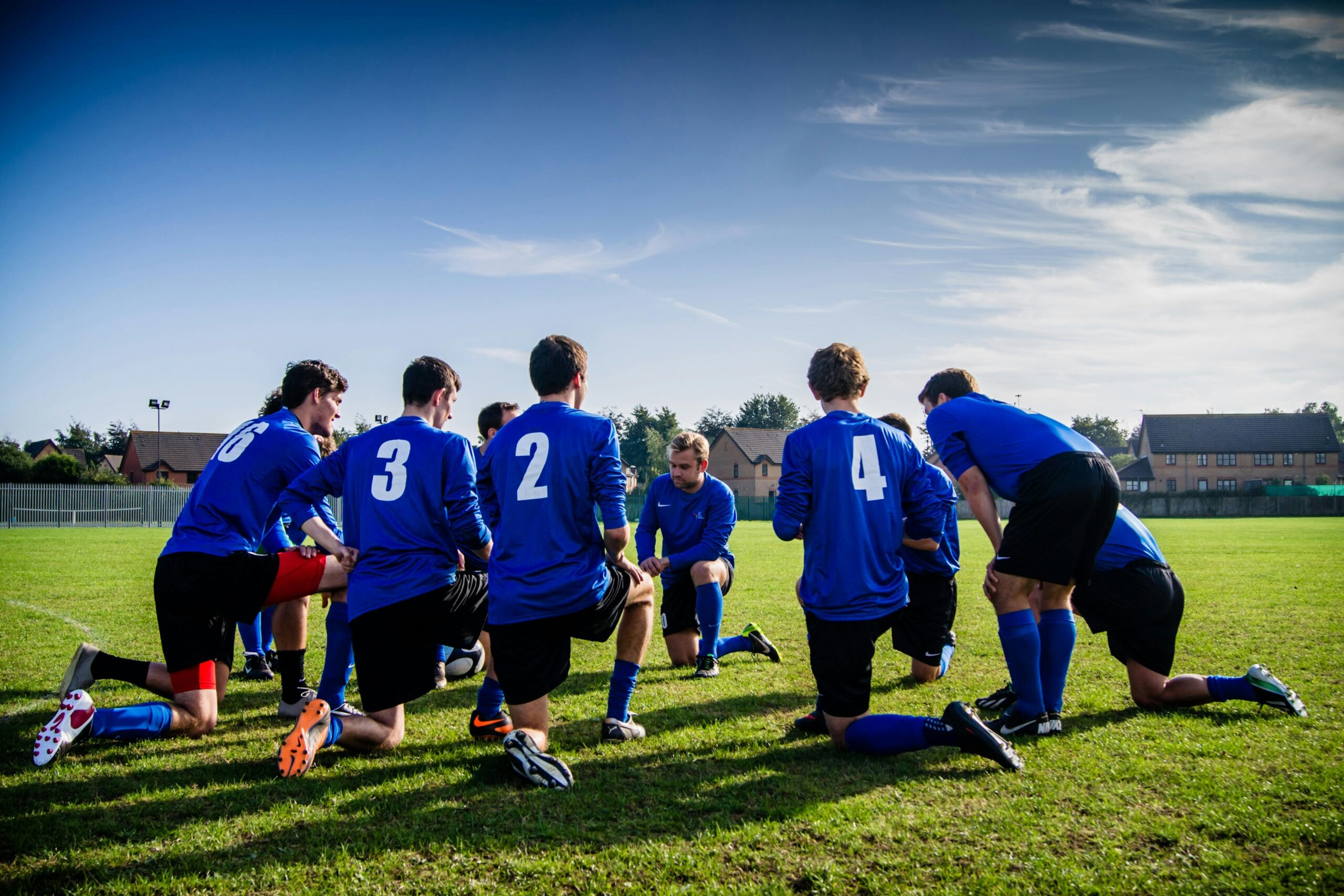
Athletes encounter significant pressure to excel, making a strong support system vital for their success and well-being. This support system encompasses family, friends, coaches, trainers, and professionals who each play a unique role. Family and friends offer emotional backing, while coaches and trainers provide essential guidance and motivation. Additionally, mental health professionals and medical experts are crucial for addressing both physical and mental challenges. A well-rounded support network helps athletes manage stress, maintain peak performance, and navigate the demanding world of sports. Understanding the diverse components of this network is the first step in building an effective support system for athletes.
Identifying Key Support Roles
Family and friends are often the first line of support, providing emotional backing and encouragement. Their presence can help athletes navigate the challenges and stresses of their sports careers.
Coaches and trainers play another critical role, offering guidance and motivation. They are instrumental in developing an athlete’s skills and fostering a sense of discipline and commitment. Together, these support roles create a nurturing environment that can help athletes thrive.
It’s important to recognize that up to 35% of elite athletes may experience mental health challenges, such as stress or anxiety (which might appear as stress, eating disorders, burnout, or depression) . Sadly, only a small fraction—around 10%—of college athletes with mental health issues seek help (among college athletes with mental health conditions, only 10% seek help) .
Building a Professional Support Network
In addition to personal support, creating a network of professionals is essential. This should include medical and nutritional experts who provide specialized guidance. Proper nutrition and healthcare are vital for peak performance and injury prevention.
Mental health professionals are equally important. Exercise has been shown to boost moods and improve mental health by increasing endorphins and enkephalins (research has shown that the benefits of exercise can boost moods and improve overall mental health by increasing endorphins and enkephalins) . Access to mental health experts helps athletes manage stress and maintain a positive mindset, enhancing their performance and well-being.
Creating a Positive Environment
Open communication among team members is crucial for fostering understanding and collaboration. Athletes should feel comfortable expressing their needs and concerns, knowing they will be heard and supported. A culture of trust and mutual respect within the team strengthens relationships and promotes a sense of belonging. This supportive atmosphere allows athletes to focus on their goals without being burdened by interpersonal conflicts or misunderstandings.
Encouragement from coaches, trainers, and peers plays a vital role in an athlete’s confidence and motivation. Positive reinforcement and constructive feedback can help athletes push through difficult times and stay committed to their training. Additionally, celebrating achievements, no matter how small, can boost morale and reinforce a positive mindset.
Creating an inclusive environment where diversity is valued can also enhance team dynamics. Different perspectives and experiences contribute to a richer, more supportive atmosphere. Recognizing and addressing any issues related to diversity or inclusion can prevent potential conflicts and create a harmonious environment for all team members.
Leveraging Community Resources
Community resources can be incredibly beneficial for athletes. Local clubs and sports organizations provide opportunities to connect with peers and engage in competitions and events, which can be highly motivating. These organizations often have experienced coaches and access to additional training resources that can enhance an athlete’s development.
Utilizing community facilities such as gyms or sports fields is another way to boost an athlete’s training regimen. These facilities are often more accessible and cost-effective, making them ideal for athletes at various levels. Access to high-quality equipment and diverse training environments can significantly contribute to an athlete’s performance and overall growth.
Additionally, community events and workshops focusing on sports education can offer valuable knowledge and skills that complement regular training. These resources help athletes stay informed about the latest techniques and best practices in their sport. By tapping into the wealth of support available within the community, athletes can expand their network and find new ways to elevate their performance.
Adapting to Individual Athlete Needs
Recognizing the unique needs of each athlete is key to providing effective support. Tailoring strategies to individual goals and circumstances allows for a more personalized approach. Some athletes may need specialized coaching to hone specific skills, while others might benefit more from mental health support to manage stress and anxiety. Flexibility in training schedules, customized nutritional plans, and targeted recovery protocols can address varied physical requirements. Additionally, ongoing communication between the athlete and their support team ensures that evolving needs are met promptly. This personalized approach not only enhances performance but also fosters a sense of trust and commitment between the athlete and their support network.
Maintaining and Evaluating the Support System
A support system must evolve to stay effective. Regular evaluations help ensure that it continues to meet the athlete’s needs. This process involves collecting feedback from the athlete and their support team, pinpointing strengths and areas for improvement. It’s essential to create an open dialogue where team members feel comfortable sharing their insights and suggestions.
Adjustments based on this feedback can lead to significant improvements. For example, if an athlete is struggling with burnout, integrating more mental health resources or adjusting the training schedule might be necessary. Alternatively, if nutritional guidance is lacking, bringing in a dietitian could enhance overall well-being and performance.
Consistency in these evaluations is key. Setting regular check-ins allows the support system to adapt to changing needs and circumstances, ensuring it remains relevant and effective. This proactive approach helps identify potential issues before they escalate, providing a more stable environment for the athlete.
Monitoring the progress of implemented changes is equally important. This involves tracking performance metrics, mental health indicators, and overall satisfaction levels to assess whether the adjustments are beneficial. Continuous improvement should be the goal, with the athlete’s long-term success and well-being as the focus.
By maintaining a dynamic and responsive support system, athletes can more effectively overcome challenges and achieve their goals. Regular assessment and timely adjustments create a robust network that empowers athletes to perform at their best and enjoy a rewarding sports career.